When grasslands are left to breathe, nature answers back
At Bank Woods in Nidderdale, something quiet and remarkable has been happening underfoot.
Recent surveys of the grasslands at our Bank Woods site have revealed an exceptional richness of fungi. Not just variety, but significance. Forty five species recorded in total, including eleven listed as vulnerable to extinction by the International Union for Conservation of Nature.
Among them were twenty five species of waxcap mushrooms. That figure alone takes the site beyond the recognised threshold for designation as a Site of Special Scientific Interest. In simple terms, this is grassland of international importance.
The full details are set out in our press release, which you can read here. This piece is about why it matters.
A sign of land doing what it should
Fungi are not decorative extras. They are indicators. Waxcaps in particular only thrive where grassland has been treated gently for decades, sometimes centuries. No ploughing. No chemical inputs. Low disturbance. Light grazing.
These conditions are now rare.
As habitats across Europe have been intensified or degraded, fungi have quietly disappeared with them. Fertilisers, fungicides, heavy grazing and soil disturbance all take their toll. What remains are fragments.
Which is why what has been recorded at Bank Woods matters.
The survey was carried out by Steve Hindle, a leading specialist in ancient grassland ecology, formerly of the National Trust. His conclusion was clear. This is not just a good site. It is an important one, nationally and internationally, and it needs to be actively protected.
At Bank Woods the approach has been deliberately simple. The grasslands are managed without agrochemicals, fertilisers, herbicides or fungicides. Instead, they are lightly grazed by a small herd of Belted Galloway cattle rather than sheep. The cattle move more gently through the land, disturb the soil less, and allow the sward to remain open and varied. That structure is essential for fungi to survive and flourish.
As Helen Neave of Make it Wild explains, this is not conservation driven by constant intervention. It is about restraint. Letting natural systems recover, while managing them just enough to prevent their loss. The findings at Bank Woods show what can happen when that balance is struck.
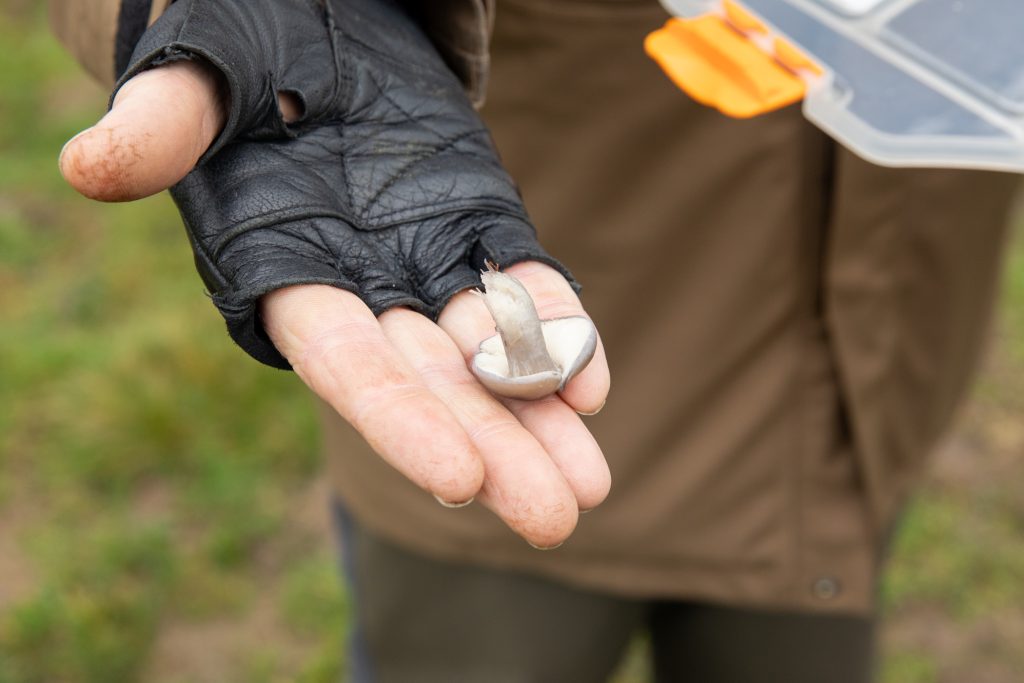
Fungi are often overlooked in conversations about conservation, yet many face the same risks as more familiar animals. Species such as the Brightsky Pinkgill are now classed as vulnerable. Their survival depends entirely on the protection of the habitats they occupy. Once those conditions are lost, the species disappear with them.
What has been recorded at Bank Woods matters beyond the site itself. It demonstrates that nature recovery can still happen where land is managed with care rather than force. This work forms part of a wider effort, with Make it Wild now managing eleven sites across North Yorkshire and building a growing network of landowner partners across the UK through its Wild Revival initiative.
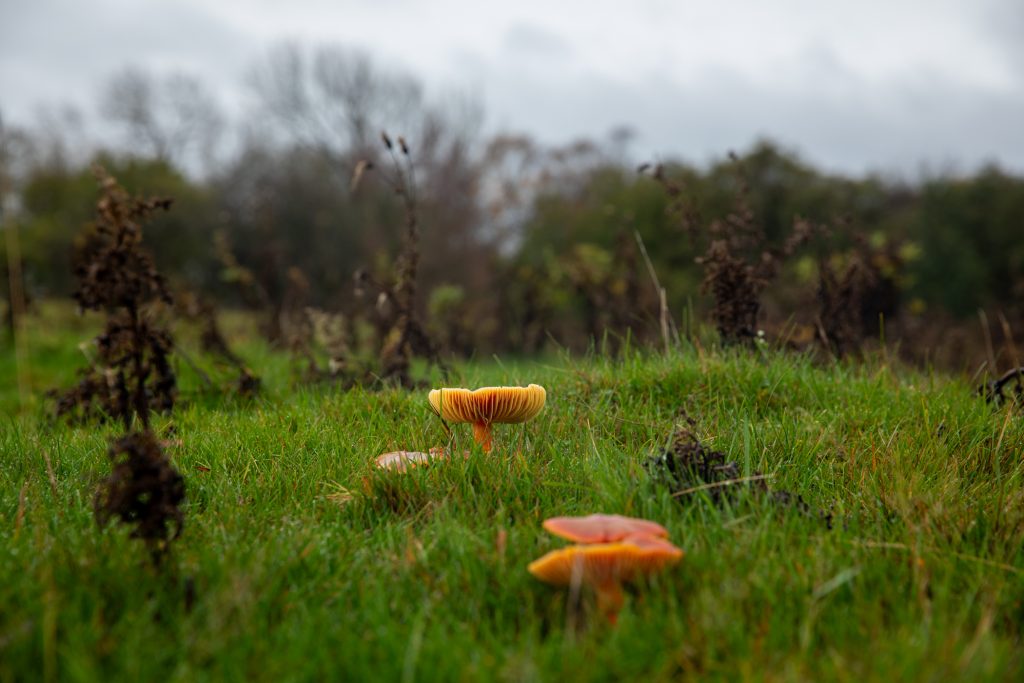
The fungi at Bank Woods are not a conclusion. They are proof. Proof that patient management works, and that meaningful recovery remains possible when land is allowed to function as it should.