If you have found us after watching Gardeners’ World, welcome. This is Janet Willoner’s story, and the story of the tree nursery we have since opened in her name, with a simple guide to growing a tree of your own from seed, which is easier than most people think.
Janet’s story
In 2019, Janet Willoner’s grandchildren joined the school strikes for climate. A grandmother and retired teacher, Janet wanted to do something lasting in return. Planting trees herself felt too strenuous, so she decided to grow them instead. As she put it, if you can’t plant trees, grow them from seed.
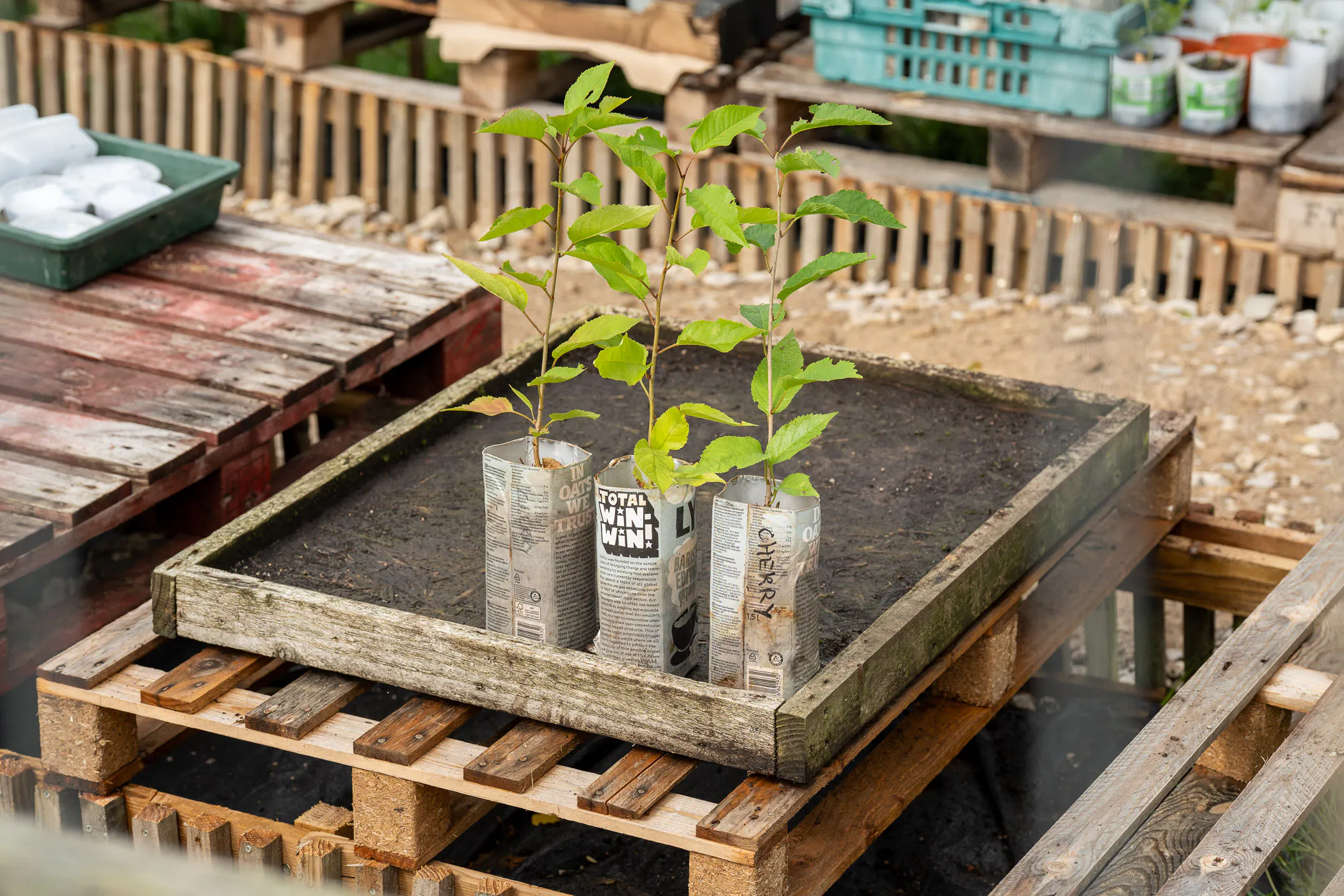
She taught herself during the first lockdown. She gathered acorns, hazelnuts and berries, kept each kind of seed in the airing cupboard, the fridge or warm water as it needed, and raised the seedlings in her friends’ empty milk and juice cartons. Her aim was to grow 5,000 trees by the time she turned 85. She has now grown more than 4,000, of over twenty native species, among them oak, hazel, rowan and birch.
In 2020, three hundred of Janet’s first seedlings came to Make It Wild, to be planted on our nature reserves in Nidderdale. It was the beginning of a friendship, and of an idea.
The Willoner Tree Nursery
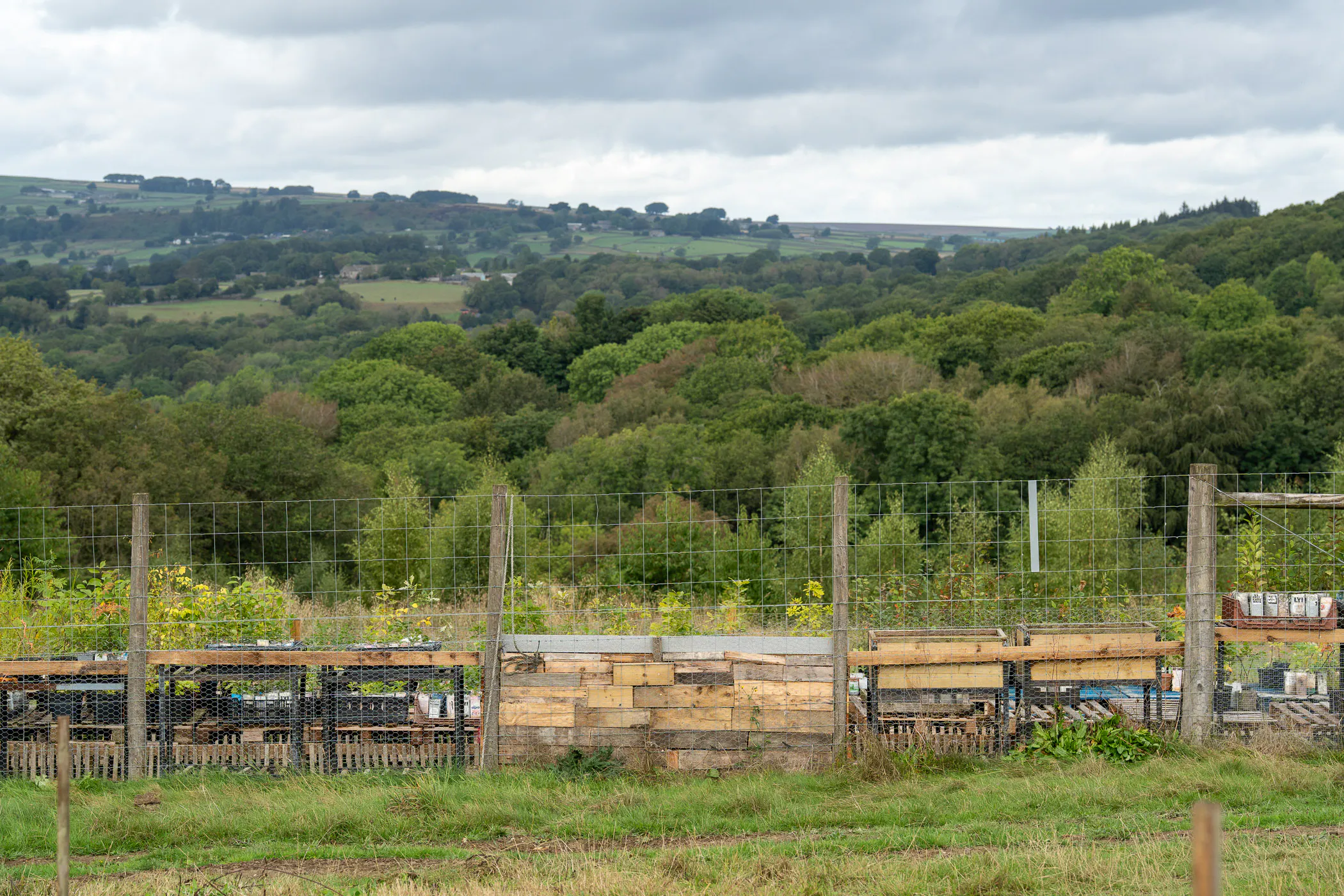
In September 2026, some time after the programme was filmed, we opened a tree nursery of our own in Nidderdale and named it after Janet. Here we grow native trees from seed gathered close to home, peat free and with as little waste as we can manage, in newspaper pots, cartons and reclaimed pallets, much as Janet does on her windowsill.
Growing our own matters for three reasons. Trees raised from local seed are already suited to our soils and our weather, so more of them survive. We are less exposed to shortages and long supply chains, and less likely to bring in pests and disease with imported stock. And a nursery is one of the best places there is to volunteer: a place, all through the year, where people in Nidderdale can get their hands in the soil and see what they have helped to grow.
The nursery is new. Most of the trees we plant this winter still come from trusted growers, and over the coming years more of them will be raised here. Our thanks go to Mark, Abby and Amy, who built it, and to Janet, who showed us the way.
How to grow a tree from seed at home, step by step
You need very little: some seed, a deep pot, a sheltered spot outdoors and a good deal of patience. Autumn is the time to begin.
Gather seed in autumn. Look for acorns, hazelnuts, and rowan or hawthorn berries from healthy trees near where you live, so the young trees will suit your area. Take only a little, leave plenty for the wildlife that relies on it, and ask before collecting on private land.
Choose the best. Drop acorns into a bowl of water and keep the ones that sink. Those that float are usually hollow or have been eaten from within.
Make a pot from a carton. Rinse out a milk or oat milk carton, cut off the top and push a few holes through the base for drainage. A tall carton suits an oak, which sends a long root straight down in its first year.
Sow. Fill the carton with compost free of peat mixed with a little grit. Press acorns and nuts in on their side, two or three centimetres deep. For berries, squash off the flesh, rinse the seeds and sow them just beneath the surface.
Leave it outside for the winter. Most native seed needs a spell of cold before it will grow. Stand the cartons somewhere sheltered, keep the compost just moist, and cover them with a piece of wire mesh, because mice and squirrels will find an acorn before you do.
Wait. Oak and hazel usually show in spring. Hawthorn and rowan can take a second winter, so do not give up on a pot that looks empty.
Plant out. After a year or two, when your tree is a good size, plant it out between November and March, in a spot where it has room to grow and with the landowner’s permission. Many community tree schemes and nurseries will gladly take young native trees.
Which native trees are easiest to grow from seed?
Some trees are far easier than others. If this is your first attempt, start with oak or hazel, which are large, easy to handle and quick to show. The berry trees take longer but are just as rewarding.
Oak. Collect acorns from September to November, once they are brown and drop easily from their cups. Sow them fresh, because an acorn that dries out will not grow. Shoots usually appear the following spring.
Hazel. Gather the nuts in September and October, as soon as they turn brown. Sow straight away and protect them well, since squirrels and mice prize them. Most come up in spring.
Beech. Collect the nuts from their spiky husks in September and October and sow them in autumn. They need a cold winter outdoors to grow.
Rowan. Pick the red berries from August to October. Clean the seed of its flesh and sow it outside, or mix it with damp sand and keep it cold through the winter. It can take eighteen months to appear.
Hawthorn. Collect the dark red haws from September to November. Hawthorn is slow and often waits for a second winter, so label the pot and keep watering.
Field maple. Collect the winged seeds in October, ideally while they are still slightly green. Like hawthorn, they may take two springs to show.
Silver birch. The seed is tiny and ripens in late summer. Scatter it on the surface of the compost in spring without covering it, because it needs light to grow.
Common questions about growing trees from seed
When is the best time to collect tree seed?
For most native trees, autumn, from September to November. Collect ripe seed that has fallen or comes away easily, and sow it as soon as you can.
Do I need permission to collect seed?
Taking a few acorns or berries from a public path for your own use is generally fine, but always ask before collecting on private land, and never collect from nature reserves or protected sites without permission. Take only a little from each tree, because birds and other wildlife depend on it through the winter.
Why use milk cartons?
They are free, they would otherwise be thrown away, and they are deeper than most small pots, which suits trees such as oak that grow a long root in their first year. Rinse them well, cut off the top and make holes in the base so water can drain.
Can I grow a tree from an apple from the shop?
You can, but the tree will not be the same as its parent, and it may be years before it fruits. For wildlife, native trees grown from local seed are a better choice.
Why have my acorns not come up?
The most common reasons are that the acorns dried out before sowing, were taken by mice or squirrels, or simply have not had their winter yet. Leave the pots outside and be patient until late spring before you give up.
How long before I can plant my tree out?
Usually after one or two growing seasons, when it is around thirty to sixty centimetres tall. Plant it out between November and March, while it is dormant, somewhere it has room to grow and with the landowner’s permission.
What if I have nowhere to plant it?
Many community woodland projects and tree nurseries will gladly take young native trees. You can also give them to friends and neighbours with space for a tree, or plant a hedge with them.
Four ways to be part of it
Dedicate a tree. Dedicate a native tree on one of our nature reserves, for yourself or someone you love.
Give a gift that grows. A Make It Wild gift voucher lets someone choose their own way to help nature, which makes a good Christmas present.
Volunteer. Join us on the reserves or at the nursery. Read about volunteering with Make It Wild.
Follow the nursery. Sign up to our newsletter below for news from the woodland through the seasons.
If you run a business, you can also bring your team to plant trees with us this winter on a team tree planting day.